Why the “Real” 2026 World Cup Won’t be Won in Stadiums
For brands, the 2026 FIFA World Cup is one of the biggest global cultural moments the U.S. has ever hosted. In fact, 53% of soccer fans say they love it when brands participate in big cultural moments.
But there is a major contradiction beneath the surface that most brands are ignoring.
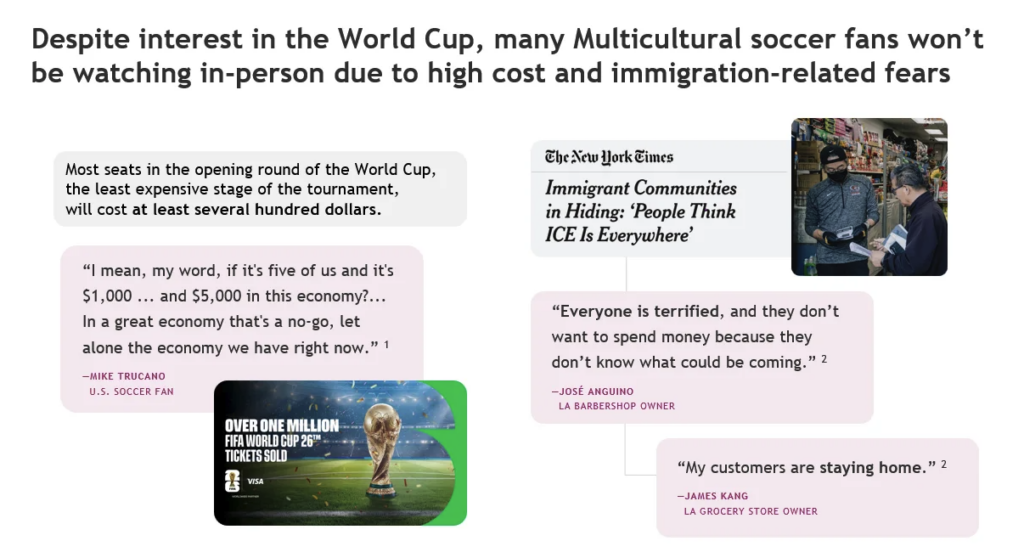
While excitement is high, access and control matter more to fans than ever. Economic pressure and uncertainty are pushing Americans toward experiences that feel familiar and manageable.
73% of soccer fans have experienced negative changes in their cost of living this year, so for them, the World Cup won’t happen in a stadium suite. It will play out in local bars, community spaces, and living rooms.
The Shift from Spectacle to Service
Brands must pivot their strategy away from “extravagance” and toward “access”, showing up where the fans actually are:
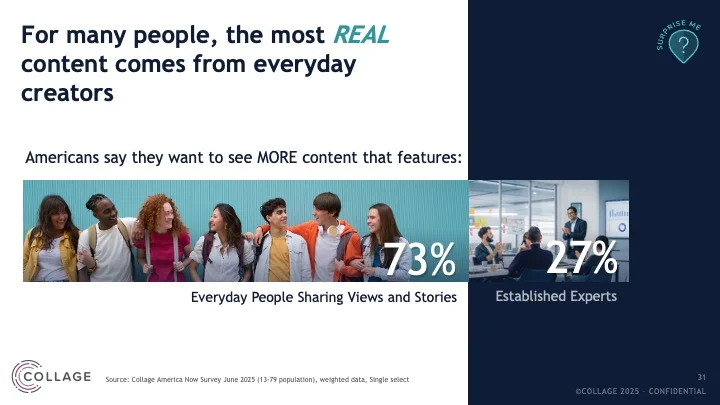
- The Unscripted Moment: Fans are tired of overly polished marketing and 73% of Americans want to see content featuring everyday people over “experts.” Credibility will come from co-creation and allowing culture to emerge naturally.
- The Living Room: 64% of fans enjoy hosting or attending watch parties, focusing on food, comfort, and the “second screen”.
- The Local Community: Partnering with trusted local entities and small businesses will carry much more credibility than those sticking to flashy, destination-only events.
Is Your Strategy Ready for the “Everyday” Fan?
Collage Group has developed an exclusive playbook, Winning the World Cup: The Brand Playbook for 2026, designed to help you navigate how to win with cultural nuance and data-backed relevance. Get in touch to learn more and access the full playbook.
You can also register for our webinar on March 18, World Cup Momentum: How Brands Can Activate Around Soccer’s New Growth Era.
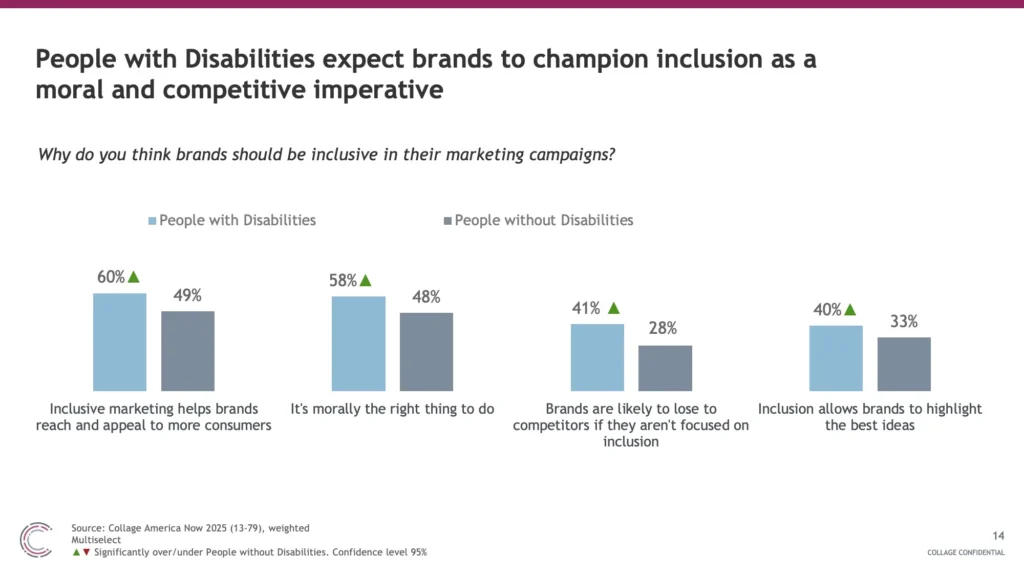
Consumers with disabilities represent a powerful, yet consistently overlooked, segment of the American marketplace. Their lived experience shapes expectations for brands in ways that often go unmet—and that gap represents both a risk and an opportunity for marketers aiming to build cultural fluency and long-term brand resonance.
At a time when authentic representation is increasingly non-negotiable, consumers with disabilities continue to report inconsistent experiences across industries. Many feel that brands still default to surface-level inclusion or lean on outdated narratives that fail to match their realities. Yet within this segment lies a rich set of Group Traits—enduring attitudes and motivations—that can guide marketers toward deeper, more meaningful connection.
A segment defined by resilience and clarity
People with Disabilities are not a monolith, but common patterns do emerge. Their lived experiences often reinforce a strong sense of self-advocacy, heightened awareness of inequities, and a desire for brands to deliver more than symbolic inclusion. They want credible action, not performative messaging. They want experiences that reflect real accessibility, not just aspirational storytelling.
Our latest consumer insights reveal that this segment evaluates brands through a dual lens: emotional resonance and real-world support. When brands fall short on either, trust erodes quickly. When brands deliver on both, the payoff is significant—greater loyalty, stronger differentiation, and measurable momentum.
Why cultural fluency matters more than ever
Consumers with disabilities often view the country’s social landscape differently than the general population. Their direct experiences navigating systems, infrastructure, and social attitudes give them a nuanced perspective on fairness and belonging. As a result, they place high value on brands that demonstrate proven inclusion in how they communicate, operate, and innovate.
Brands that succeed with this segment tend to go beyond accessibility checkboxes. They invest in understanding disability-informed attitudes and behaviors. They reflect authentic voices. And they approach inclusion as an ongoing commitment rather than a moment-based response.
What’s inside the full report
Collage Group’s People with Disabilities Consumer Focus goes deeper—revealing:
- How key Group Traits shape expectations, trust, and purchase behavior
- Why cultural fluency is essential for reaching this segment in a meaningful way
- What separates the brands that win from those that unintentionally alienate
- How proven inclusion builds advocacy and long-term market advantage
This excerpt only scratches the surface. For brands ready to understand this segment—and earn their confidence—our full report offers the comprehensive, actionable insights you need.
Ready to build real connection through cultural fluency? Download the excerpt to get started.
As economic uncertainty continues to shape household decision-making, one trend is quietly signaling a deeper shift in how Americans—especially Multicultural and younger segments—think about money, trust, and financial confidence. Crypto is no longer just a speculative asset. It has become a cultural cue, revealing how consumers evaluate emerging tools, question traditional systems, and search for greater control in their financial futures.
At Collage Group, our latest consumer insights show that curiosity toward digital financial products is growing even as headlines about crypto volatility dominate the news. What’s driving this tension? And what does it mean for brands competing in an environment where expectations for autonomy, transparency, and digital fluency are expanding?
A window into consumer trust and control
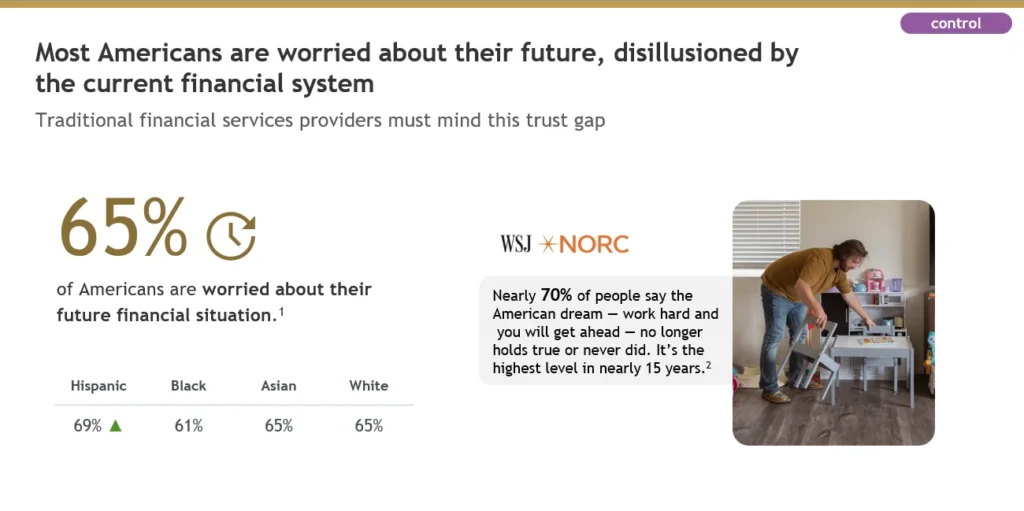
Many Americans—especially Hispanic, Black, and Asian consumers—are reassessing where they place their financial confidence. Their interest in crypto isn’t simply about returns. It reflects a broader desire for tools that feel more transparent, more accessible, and more personally empowering than traditional financial systems.
This mindset shift matters. When consumers look for self-direction and clarity in their financial decisions, they gravitate toward brands that help them feel informed and in control. That dynamic is especially strong among Multicultural consumer segments whose financial experiences, needs, and expectations often diverge from the general population.
Digital habits are reshaping financial expectations
Digital payment apps and financial platforms are helping to normalize alternative financial behaviors—sometimes serving as the first point of entry for consumers exploring more emerging products. For many, crypto represents the next step along that continuum: a symbol of modern financial identity rather than a narrow investment vehicle.
Multicultural consumers, in particular, are more likely to integrate digital tools into their daily financial lives. This reinforces a larger story about convenience, trust, and cultural relevance—one that has meaningful implications for financial services brands trying to keep pace with fast-changing behaviors.
Why this trend matters for growth-focused brands
Crypto itself may or may not be part of your roadmap. But the attitudes surrounding it are powerful indicators of consumer expectations—especially among segments that over-index on youthfulness, cultural influence, and population growth.
Brands that understand these mindset shifts will be better positioned to build financial confidence, strengthen loyalty, and design products that feel aligned with how today’s consumers define progress. The takeaway isn’t about crypto adoption; it’s about recognizing the broader movement toward autonomy, flexibility, and culturally attuned financial solutions.
Our new report unpacks these signals in detail—revealing how consumer trust is evolving, why digital curiosity is accelerating, and what financial services brands must understand to stay relevant with diverse, high-growth audiences.
Ready to explore the full set of insights shaping the future of financial confidence?
Download the excerpt of From Coins to Confidence to see the findings that matter most for your growth strategy.
-
38%
of U.S. consumers cut spending on dining out in September.
Gen X consumers lead at 44%.
A New Season of Shifting Priorities
As the U.S. heads into fall, consumer spending behavior is shifting in subtle but powerful ways—reshaping priorities, redefining value, and revealing deeper signals about financial resilience. While headlines often highlight broad economic trends, our latest consumer insights uncover what’s happening beneath the surface across key demographic groups, including multicultural consumers who continue to set the pace for evolving financial behavior.
Caution Meets Selective Confidence
Early indicators show that Americans are entering the season with a blend of caution and confidence. Essentials continue to command the bulk of household spending, yet consumers are taking a more intentional approach to discretionary categories. Even small adjustments in how people dine out, entertain, or save point to larger changes in mindset—changes brands need to understand before the holiday season takes shape.
Financial Sensitivity Remains Part of the Landscape
Despite steady employment and moderating inflation, many consumers remain highly attuned to financial uncertainty. This has prompted a recalibration of what “worth it” really means. Experiences, once dominant, are becoming more selective choices, while everyday necessities regain cultural importance. Distinct behaviors among Hispanic, Black, and Asian American consumers signal emerging patterns that could influence broader market dynamics in the months ahead.
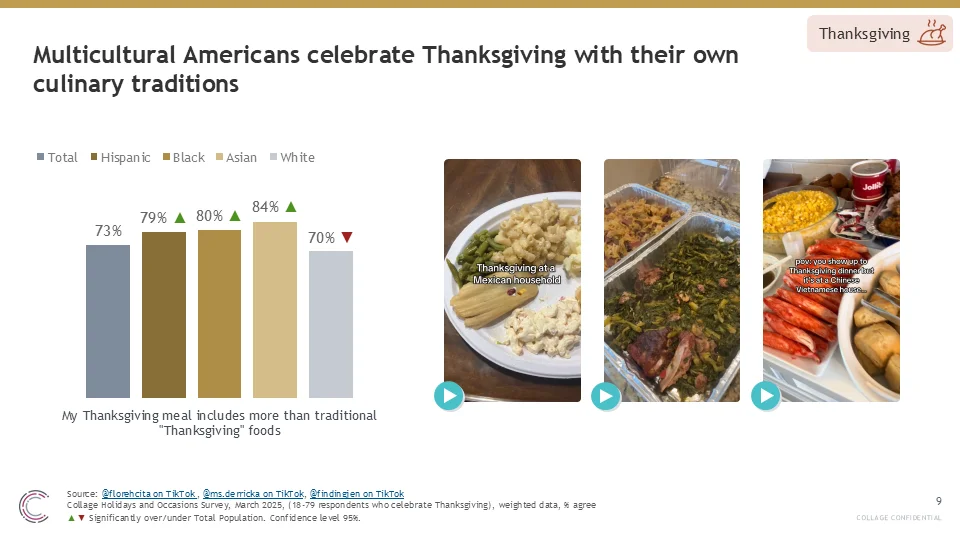
Reprioritization, Not Retreat
Fall data also reveals rising emphasis on budgeting, trade-offs, and the pursuit of long-term stability. Even when consumers cut discretionary spending, they’re not stepping back—they’re redefining their priorities. These behavioral shifts offer valuable clues into how people will approach major spending windows later this year.
What This Means for Brands
For brands, these trends highlight the need for deeper cultural fluency and sharper financial behavior insights. Consumers aren’t simply tightening or loosening their wallets. They are navigating economic realities in ways shaped by values, identity, community, and optimism—or in some cases, caution. Understanding how multicultural consumers in particular blend practical needs with aspirational goals can help companies position their products around what matters most right now.
Get the Full Picture
The full report uncovers:
- Where consumers are cutting back—and where they’re still spending
- How inflation pressures are influencing the financial decisions of multicultural consumers
- Why some segments are accelerating savings and investing behaviors
- What brands can expect from households heading into late 2025
Explore the insights shaping the next chapter of U.S. spending. Download the exclusive excerpt from our Fall Consumer Spending & Financial Behavior Report.
-
Compared to 40% Non-hispanic white
57%
of Multicultural Americans like it when brands include cultural holidays in their advertising.
Winter holidays are among the most emotionally meaningful moments of the year—and for brands, they’re a defining opportunity to show cultural fluency. As the U.S. becomes increasingly diverse, consumers bring a wider range of traditions, foods, and rituals to the season. Understanding those differences is essential for marketers who want to build authentic connections.
Our new report, Joy in Every Tradition: A Guide to Multicultural Winter Holidays, highlights how multicultural consumers celebrate the season and what they expect from brands that show up during these moments. Below is a preview of the themes shaping today’s holiday landscape.
The Holiday Season Is Deeply Cultural
Winter holidays are not just calendar events—they’re expressions of cultural identity and belonging. Many Americans maintain traditions rooted in heritage, family history, or community values. Others blend customs across cultures, creating new hybrid celebrations that reflect modern, multicultural households.
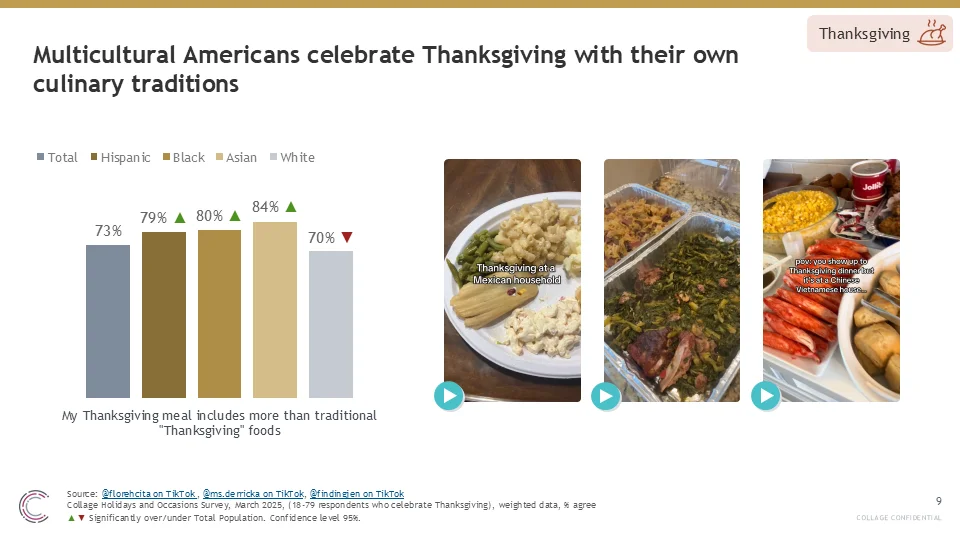
This cultural diversity shapes everything from food preparation and décor to the rituals people prioritize most. For brands, understanding the meaning behind these choices is the foundation of inclusive marketing.
Representation Matters—But Nuance Matters More
Consumers respond when they see their cultural traditions reflected respectfully in advertising. Yet what that “right representation” looks like varies. Some want their cultural holidays acknowledged directly. Others prefer more universal themes that still feel culturally aware.
The common thread: people want brands to move beyond generic holiday messaging and demonstrate genuine cultural insights.
Holiday Behaviors Reflect Deeper Values
While each group brings its own traditions to the season, shared motivations emerge. Winter holidays often reinforce:
- Family connection
- Cultural pride
- Intergenerational continuity
- Community and togetherness
These emotional anchors influence how multicultural consumers shop, plan meals, choose media, and engage with brands. Marketers who understand these drivers are better positioned to create campaigns that resonate.
Opportunities for Brands to Engage Thoughtfully
The season offers powerful moments to highlight cultural fluency, but only when the approach aligns with consumer expectations. Brands that meaningfully acknowledge cultural traditions—without overgeneralizing—can strengthen loyalty during one of the most emotionally charged times of year.
Download the report excerpt to explore the cultural insights shaping the season and learn how to elevate your holiday strategy with true cultural fluency.
-
92%
of Americans have experienced significant change this year.
In today’s fragmented marketplace, trust has become the new brand currency. Yet for many Americans, confidence in institutions, media, and even major brands continues to erode. As consumers grow weary of performative empathy and AI-generated sameness, they’re asking one question: Which brands will truly stand with me?
The America Now 2026 study reveals a deepening trust gap between people and the corporations that serve them. Consumers no longer reward polish—they reward proof. They seek brands that protect, surprise, and connect with authenticity.
Protect Me.
Consumers expect brands to safeguard not only their data but also their dignity. That means practicing transparency, demonstrating empathy, and solving the everyday problems that matter most. The most trusted brands don’t posture—they protect. They stay consistent in their values and show up reliably, even when under scrutiny.
Surprise Me.
Audiences crave content and experiences that feel unscripted and real. They want imperfection, humanity, and creativity over curation. In a world defined by algorithms and automation, people lean into what feels honest. Brands that embrace the mess, those that let real people and real stories shine, stand out from those that hide behind perfection.
Stand With Me.
In moments of cultural tension, neutrality feels like absence. Consumers reward brands that take a stand grounded in empathy and relevance. They notice when brands respond with clarity and compassion instead of calculated caution. Trust grows when companies reflect the courage, humor, and heart of the communities they serve.
Jack Mackinnon
Senior Director of Cultural Insights
Collage
For marketers, these shifting expectations represent both a challenge and an opportunity. Relevance today means protecting what’s human in the brand experience—control what you can, but stay open to cultural change.
The most resonant brands of 2026 will be those that rebuild trust not through slogans, but through sincerity. They will protect their consumers, surprise them with genuine creativity, and stand with them when it counts.
To explore the cultural forces reshaping trust and authenticity in America—and what that means for your brand strategy—download an excerpt of the America Now 2026 report.
In his thought-provoking presentation at Collage’s 2025 Cultural Fluency Summit, Amit explores the intersection of technology and humanity—where code meets culture. Tracing the evolution of algorithms and AI from the early days of Facebook and the first iPhone to today’s pervasive intelligent systems, he reveals how the digital world has reshaped not only marketing and insights but the way we interpret meaning itself. Amit challenges us to see ourselves, whether as professionals or consumers, as translators navigating the powerful dialogue between data, creativity, and culture.
See how AI reshapes creativity and insight – download Amit Shah’s ‘Where Code Meets Culture’.
Did you catch our Holiday Shopping webinar?
Here’s one key takeaway: Toy shoppers are far from one-size-fits-all.
When comparing Building & Construction Toy Shoppers to Doll, Plush, and Figure Toy Shoppers, their motivations and purchase journeys look quite different.
At Collage, our audience insights go beyond demographics. We reveal the deeper passion points, cultural traits, fandoms, and geo-location influences that define each shopper segment. This helps brands build campaigns that truly connect with their target audiences – not just by who they are demographically, but by what drives them emotionally and culturally.
Want to understand Gen Alpha’s growing influence on household holiday spending? Download the Building & Construction Toy Shoppers Audience here!
We’re thrilled to share a major milestone for Collage and for marketers and insights professionals everywhere.
Today, we officially launch Ask Collage, a groundbreaking advancement in our mission to redefine how brands discover new growth opportunities.
This launch represents the intersection of insight and outcome – the moment where data becomes understanding and understanding becomes action.
At Collage, we’ve always believed that the most powerful insights live beyond the what and reveal the why. Why consumers make the choices they do. Why some brands resonate deeply while others don’t. Why culture, passions, and values shape every purchase decision.
Ask Collage brings that belief to life.
Ask Collage is the first AI-enabled cultural intelligence engine that fuses billions of proprietary data points – spanning consumer, brand, and category – with decades of Collage’s cultural expertise. The result is an innovative tech platform that delivers customized, actionable insight grounded in deep research, helping brands uncover not just what’s happening, but why it’s happening and what to do next.
This isn’t just another AI or analytics tool. It’s the evolution of Collage into the most trusted source of cultural intelligence, combining data science with deep cultural fluency. The Product team here at Collage didn’t just build a simple AI that summarizes data – they built a cultural research engine with linked sources, enabling every user to explore insights with confidence.
We’re proud to be transforming how brands build lifetime value with consumers – through tech innovation and cultural understanding.
On November 5th, Collage will host its annual Cultural Fluency Summit, where we’ll unveil new findings from our 2026 America Now trend research. This year’s study captures how Americans are navigating relentless change, and how those shifts are redefining what consumers expect from brands. Across every background, people are seeking stability, sincerity, and reassurance that companies understand their lived reality.
Change Is Everywhere — and It Feels Chaotic
92% of Americans say they’ve experienced significant change this year, driven by rising costs, economic uncertainty, policy shifts and the rapid influence of AI. Most describe the country as “chaotic rather than orderly,” underscoring a shared sense of volatility.
In response, consumers are turning inward, focusing on what they can control, reconnecting with what feels real, and re-evaluating which brands have earned their confidence and their spend.
A Sneak Peek at What’s Ahead
At this year’s Summit, Collage will show how brands can succeed amid chaos by tapping into three key consumer shifts:
- Reclaiming Control: U.S. consumers are becoming more self-reliant, with 76% of Americans saying, “I prefer to do things myself, rather than get help from others,” driving a focus on daily routines and small wins. Brands that offer consistency and calm will become vital anchors.
- Craving Realness: 85% of Americans want to see more content created by real people. After years of curated perfection, consumers favor brands that feel human and transparent. Relatability now fuels connection and sales.
- Rebuilding Trust: Only about one-third of Americans trust large brands today. In a skeptical climate, Americans wonder, “Which brands will stand with them?” Those that provide security and sincerity will become the trusted constants consumers seek.
Together, these insights highlight how cultural awareness helps brands meet consumers where they are and build momentum through trust, realness, and empathy.
Join Us at the Cultural Fluency Summit
We’re excited to debut the full America Now 2026 research this November, unveiling trended data across demographics and fresh insights from brand leaders applying these lessons in real time.
Don’t miss your opportunity to understand how today’s consumers are navigating change, and how your brand can grow by anchoring them through it.